
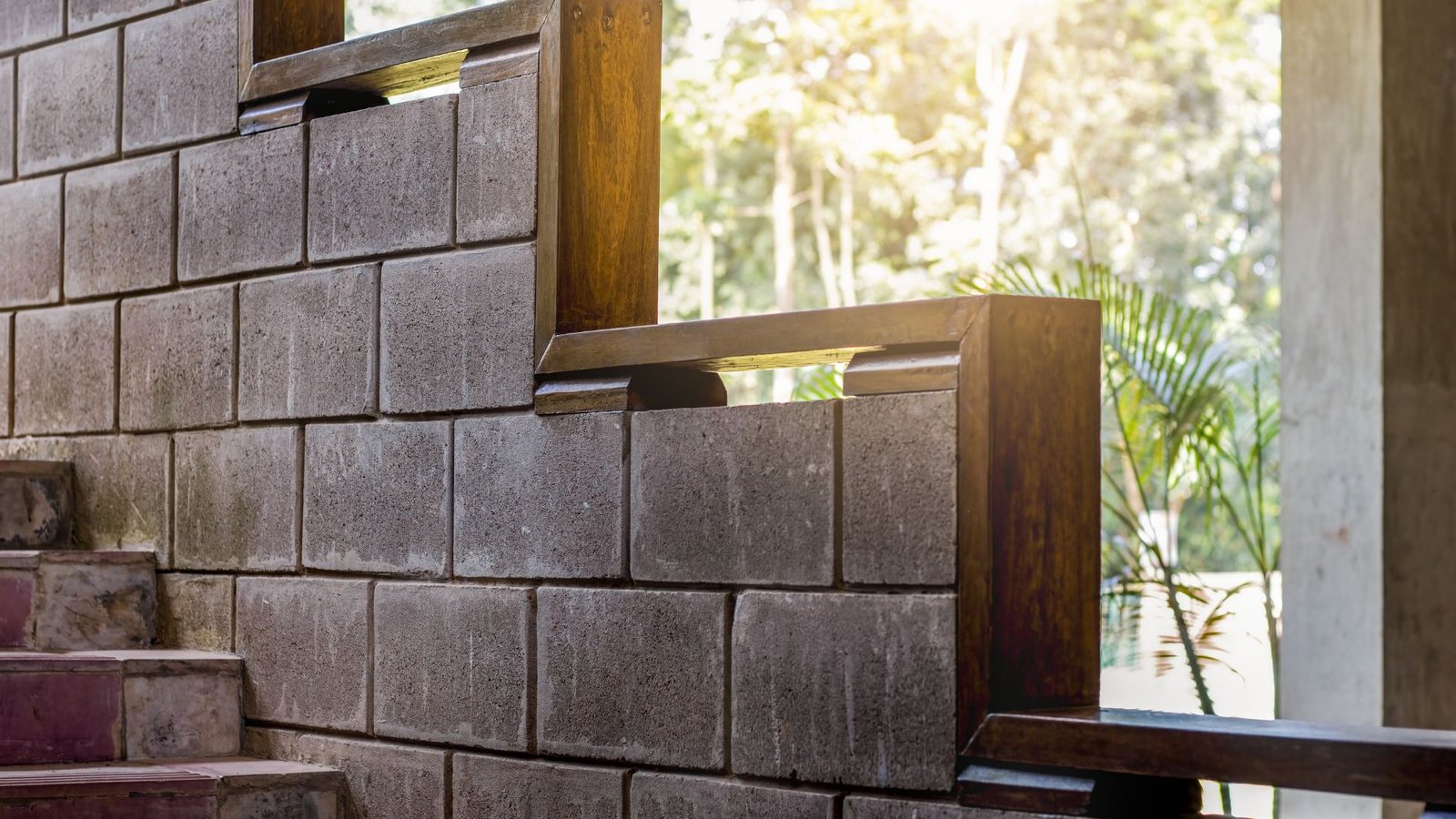
Natural stone has a presence that’s hard to ignore. It feels solid. Permanent. Real in a way few materials ever do. But choosing stone isn’t just about color or pattern anymore. Details beneath the surface decide how it performs, how it feels under your hand, and whether it still looks good years from now. And yes, that includes something many people overlook at first glance: honed stone finish.
Before committing to any slab or tile, it’s worth slowing down for a moment. Not for the showroom shine. Not for the dramatic veining. But for the things that quietly shape the experience: thickness, surface finish, and edge profiles.
This blog breaks down exactly what to look for before you buy.
Why the Details Matter More Than You Think
Stone seems simple at first. A slab is a slab. Or so it appears. But once installation begins, those hidden specifications start showing their personality.
Thickness affects strength and stability. Finish influences both look and upkeep. Edges change how safe, comfortable, and refined a surface feels. Designers don’t treat these as afterthoughts. They shape how stone behaves, not just on day one, but over the years of everyday life.
Getting these choices right means fewer compromises later. Fewer surprises. And a finished space that actually matches the idea in your head, not just the sample in your hand.
Stone Thickness: More Than Just a Measurement
Thickness is often treated like a technical note on a product sheet. But in reality, it decides how the stone lives in a space.
Thinner slabs are lighter and easier to work with. They’re commonly used for wall cladding, backsplashes, and vertical surfaces where weight matters. Thicker slabs feel stronger. More grounded. They’re often chosen for countertops, stair treads, and surfaces that take daily wear.
This is where stone thickness changes not just performance, but presence. A thicker slab adds visual weight and a sense of permanence. A thinner one feels sleeker and more modern. Neither is better in every case. It depends on the story the space is trying to tell.
There’s also structure to consider. Certain applications demand more support. Others don’t. Understanding how natural stone thickness affects both design and installation keeps expectations realistic from the start.
And yes, edges look different depending on depth. A thin slab with a clean edge feels sharp and contemporary. A thick slab with a shaped profile feels architectural. One detail. Two very different moods.
Finish: How Texture Shapes Light, Touch, and Daily Life
The finish is where the stone starts to speak. It controls reflection, texture, and how the surface responds to real use.
Polished stone shines. It reflects light dramatically and highlights every vein and color shift. Beautiful? Absolutely. Forgiving? Not always. Smudges, water spots, and etching tend to show more clearly.
A honed surface tells a different story. Matte instead of glossy. Softer instead of sharp. It diffuses light rather than bouncing it back, which makes large areas feel calmer and less reflective. That’s why designers often recommend it for floors and minimal spaces.
Textured finishes like brushed, leathered, or flamed add grip and character. They’re especially useful outdoors or in areas where slip resistance matters. They also bring out the natural grain of the stone, making the surface feel less formal and more tactile.
Here’s the real question to ask: how will this surface be used every day? A high-traffic kitchen needs something forgiving. A decorative wall can afford drama. Somewhere in the middle sits a honed stone finish, quietly balancing beauty with practicality.
Edge Profiles: The Subtle Detail Everyone Notices
Edges rarely get attention at the beginning of a project. Yet they’re what hands touch first. What eyes follow naturally.
Straight or eased edges keep things modern and crisp. They suit clean lines, minimal kitchens, and contemporary bathrooms. A beveled edge adds just enough detail to catch light without stealing attention.
Rounded edges like bullnose bring softness and comfort. They’re safer in family spaces and feel more traditional. Decorative profiles such as ogee or waterfall edges create a sense of craftsmanship, especially on islands and feature pieces.
Edge design isn’t only visual. It affects how surfaces wear over time. Sharp edges chip more easily. Complex profiles demand more maintenance. A thoughtful choice here means the stone ages gracefully instead of becoming a constant repair project.
This is where precision shows. A well-finished edge quietly elevates everything around it. A rushed one? It never quite disappears.
When Thickness, Finish, and Edges Start Talking to Each Other
These three elements don’t work alone. They interact constantly.
A bold slab with a decorative edge sends a strong architectural message. A thinner slab with a soft finish and minimal edge whispers modern elegance. Neither approach is wrong. The magic is in how they align.
Designers often think of this as a single composition. A highly patterned stone might need a simpler edge to avoid visual overload. A subtle surface might benefit from a more expressive profile. And when natural stone thickness is paired carefully with finish and edge, the result feels intentional, not accidental.
Take a kitchen island as an example. A thicker surface with a gentle edge makes it feel like the anchor of the room. A bathroom vanity, on the other hand, may use reduced stone thickness with a matte surface for a light, spa-like presence.
When these details work together, the stone feels like it belongs. When they don’t, even the most expensive material can feel… off.
Common Buyer Mistakes That Are Easy to Avoid
Most regrets don’t come from the stone itself. They come from assumptions.
A surface chosen for its showroom shine may turn high-maintenance at home. A thin slab selected for cost might not suit a structural application. Edge profiles often get picked at the last minute, leading to results that feel too sharp, too bulky, or simply mismatched.
A few small steps can prevent big disappointments:
- Always view full slabs, not just samples
- Ask how each finish will behave with daily use
- Consider how the edge will feel, not only how it looks
- Confirm whether the selected stone thickness suits the intended application
Stone is not a short-term material. It’s meant to stay. The more questions asked early, the fewer compromises later.
Making Choices That Actually Last
Stone should feel exciting, not overwhelming. Once thickness, finish, and edges make sense, decisions stop feeling technical and start feeling intuitive.
These details shape more than appearance. They influence comfort, safety, maintenance, and longevity. They decide whether a surface quietly supports everyday life or constantly asks for attention.
Great stone design doesn’t happen by accident. It comes from aligning how a space is used with how the material behaves. And when that alignment clicks, the result feels effortless.
Conclusion
Stone has a way of grounding a space. It feels steady. Dependable. Expressive in its own quiet way. But its real power lives in the details.
Thickness gives structure and visual weight, and natural stone thickness in particular shapes how a surface feels, performs, and endures. Finish defines how light, touch, and time interact with the surface. Edge profiles shape both style and comfort. Together, they determine whether the stone simply exists in a space or truly belongs there.
Understanding these elements before you buy replaces guesswork with clarity. It turns material selection into a design decision. And when all three come together thoughtfully, especially when a honed stone finish is chosen with purpose, the result isn’t just beautiful today. It’s meaningful for years to come.