
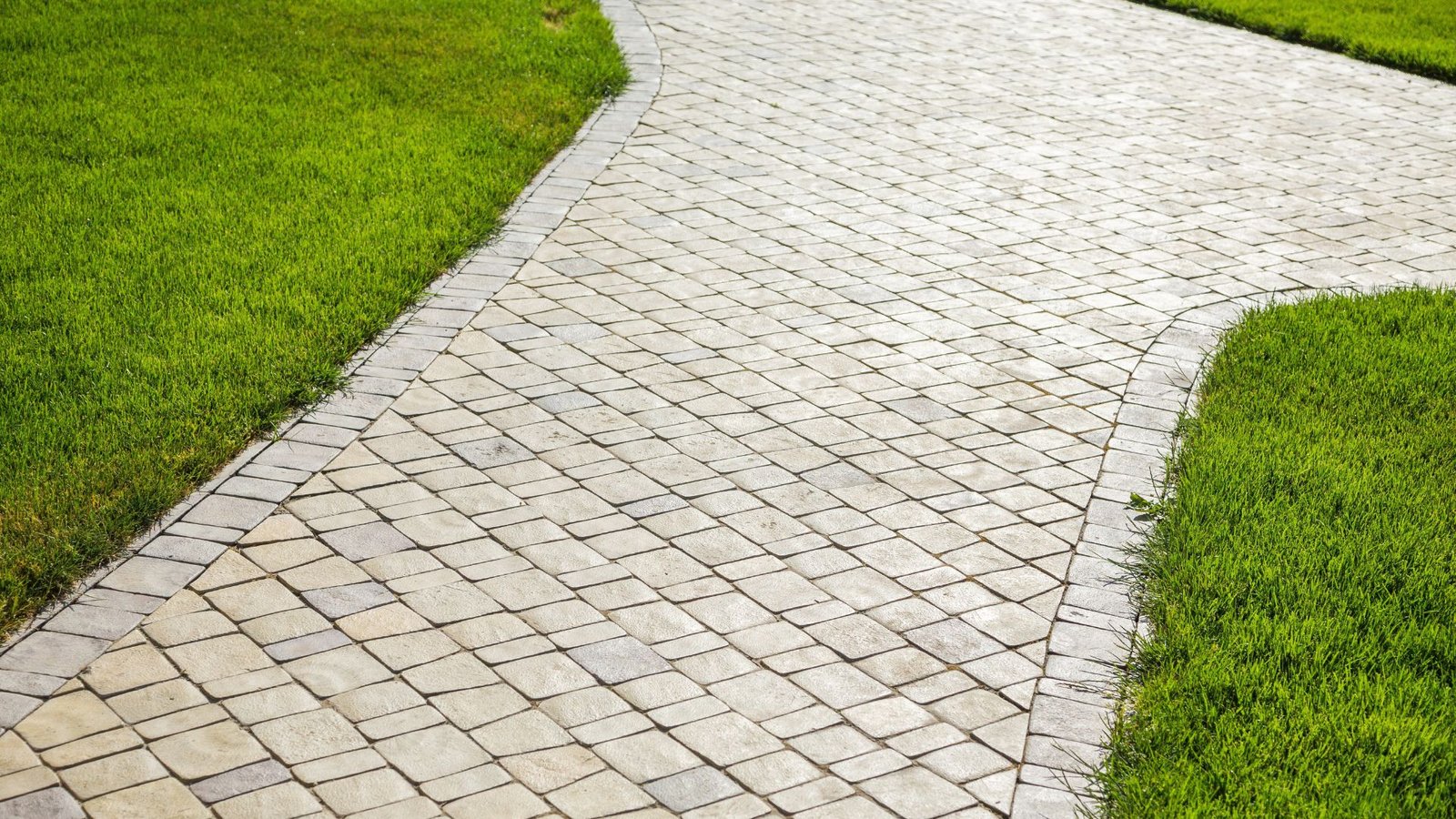
Natural stone has long been associated with permanence. It carries a sense of weight and quiet authority that few natural stone flooring materials can replicate. In homes, hotels, offices, and public buildings, natural stone flooring is often chosen not just for how it looks on day one, but for how it is expected to hold up over decades of use.
Yet high-traffic areas bring a different kind of test. Footfall, dirt, moisture, furniture movement, and cleaning routines all leave their mark. Some stones respond beautifully to this kind of pressure, growing richer with time. Others struggle, showing wear far sooner than expected.
This blog explores which natural stones perform reliably in high-traffic environments, where common failures occur, and how thoughtful selection and detailing make all the difference.
What “High-Traffic” Really Means for Flooring
High-traffic does not only mean crowds. It includes repeated daily movement, grit carried in from outdoors, rolling loads, moisture exposure, and frequent cleaning. A hotel lobby, a retail showroom, an office corridor, and a residential entrance all qualify, but each stresses the floor in slightly different ways.
In commercial flooring contexts, durability is not only about hardness. It is about surface behavior, finish retention, slip resistance, and how forgiving the stone is when maintenance routines are imperfect, which they often are.
Understanding this distinction early helps avoid mismatched expectations later.
Stones That Perform Well Under Constant Use
Some natural stones are better suited to busy environments than others. Their internal structure, density, and surface behaviour make them more resilient to wear, even under consistent foot traffic.
Quartzite
Often mistaken for marble, quartzite is one of the strongest natural stones used in architecture and interiors.
- Excellent resistance to scratching and abrasion
- Performs well in corridors, lobbies, and other high-movement zones
- Retains its surface texture and finish longer than most decorative stones
Quartzite works especially well where designers want refined aesthetics without compromising on durability, making it a reliable choice for both residential and commercial settings.
Certain Types of Marble
Not all marble struggles in high-traffic areas. Performance depends heavily on the type of marble chosen and how it is finished.
- Marbles with tighter grain structures and lower porosity perform better
- Honed or brushed finishes help mask minor wear over time
- Darker or naturally patterned marbles show etching less visibly than lighter varieties
Used thoughtfully, natural stone flooring in marble can still succeed in busy spaces, particularly in controlled interior environments where maintenance and usage patterns are well understood.
Where Natural Stone Often Fails
Failures rarely come from the material alone. They emerge from poor pairing between stone, finish, and usage.
Highly Polished Soft Stones
Polished limestone or softer marbles may look striking at installation but struggle under constant abrasion.
- Polished surfaces show scratches quickly
- Loss of shine appears uneven and patchy
- Traffic lanes become visible within months
Onyx in Floor Applications
Onyx is visually dramatic but structurally delicate.
- Low resistance to impact and abrasion
- Susceptible to cracking under load
- Best reserved for vertical applications or low-use zones
Using onyx in high-traffic flooring often leads to disappointment, even with careful maintenance.
Improper Finishes
The wrong finish can undermine an otherwise suitable stone.
- Polished finishes in entryways invite slip and wear issues
- Textured finishes outdoors trap dirt if poorly maintained
- Overly rough finishes in interiors complicate cleaning
Finish selection matters as much as the stone itself.
Finish Choices That Extend Floor Life
Surface treatment plays a major role in how stone ages under traffic.
Honed Finishes
Honed stone offers a matte surface that handles wear gracefully.
- Scratches blend into the surface rather than standing out
- Reduced glare in commercial environments
- Easier long-term maintenance
Brushed and Leathered Finishes
These finishes add texture without excessive roughness.
- Natural grip underfoot
- Conceals minor wear and etching
- Adds visual depth as the surface ages
In many commercial flooring projects, these finishes provide a balance between safety, durability, and aesthetics.
The Role of Installation in Performance
Even the most durable stone can fail if installation is poorly executed.
- Inadequate substrate preparation leads to cracking
- Incorrect adhesive selection affects long-term bonding
- Poor joint planning results in stress fractures
Movement joints are particularly important in high-traffic zones. Skipping them may not show immediate damage, but problems tend to surface over time.
Experienced installers familiar with natural stone flooring systems make a measurable difference in longevity.
Maintenance Realities Designers Often Underestimate
Maintenance is where expectations and reality often diverge.
High-traffic floors are cleaned frequently, sometimes aggressively. Chemical exposure, hard water, and improper equipment slowly degrade surfaces.
Key considerations include:
- Sealers need periodic renewal, not one-time application
- Neutral cleaners preserve surface integrity
- Mechanical polishing can remove excessive material if overused
In commercial settings, maintenance teams may change over time. Choosing stones that tolerate imperfect care is often wiser than selecting those that demand precision.
Matching Stone to Space, Not Just Style
One recurring mistake in commercial flooring projects is prioritizing visual impact over operational logic.
A boutique showroom may handle a delicate marble floor beautifully. A busy corporate lobby may not. Both are high-traffic, but their usage patterns differ.
Successful projects ask practical questions early:
- Who uses this space daily?
- What footwear dominates?
- How often is cleaning done, and by whom?
Natural stone flooring succeeds when these questions guide selection rather than trend alone.
When Natural Stone Is Worth the Commitment
Despite the challenges, stone remains unmatched in certain respects.
- It ages rather than expires
- Repairs and refinishing are possible years later
- Patina often enhances character rather than diminishing it
In the right applications, stone flooring becomes part of a building’s identity, not just its surface.
This is why architects and designers continue to specify it in demanding environments, even when alternatives exist.
Conclusion
High-traffic areas are unforgiving, but they also reveal the true character of materials. Natural stone flooring performs exceptionally well when the stone type, finish, installation, and maintenance expectations align with how the space is actually used. When they do not, even the most beautiful surface can fail prematurely.
Understanding what works and what fails allows designers, builders, and clients to make confident, informed decisions. In commercial flooring and busy residential zones alike, the right stone does not fight traffic. It absorbs it, responds to it, and often improves because of it.