
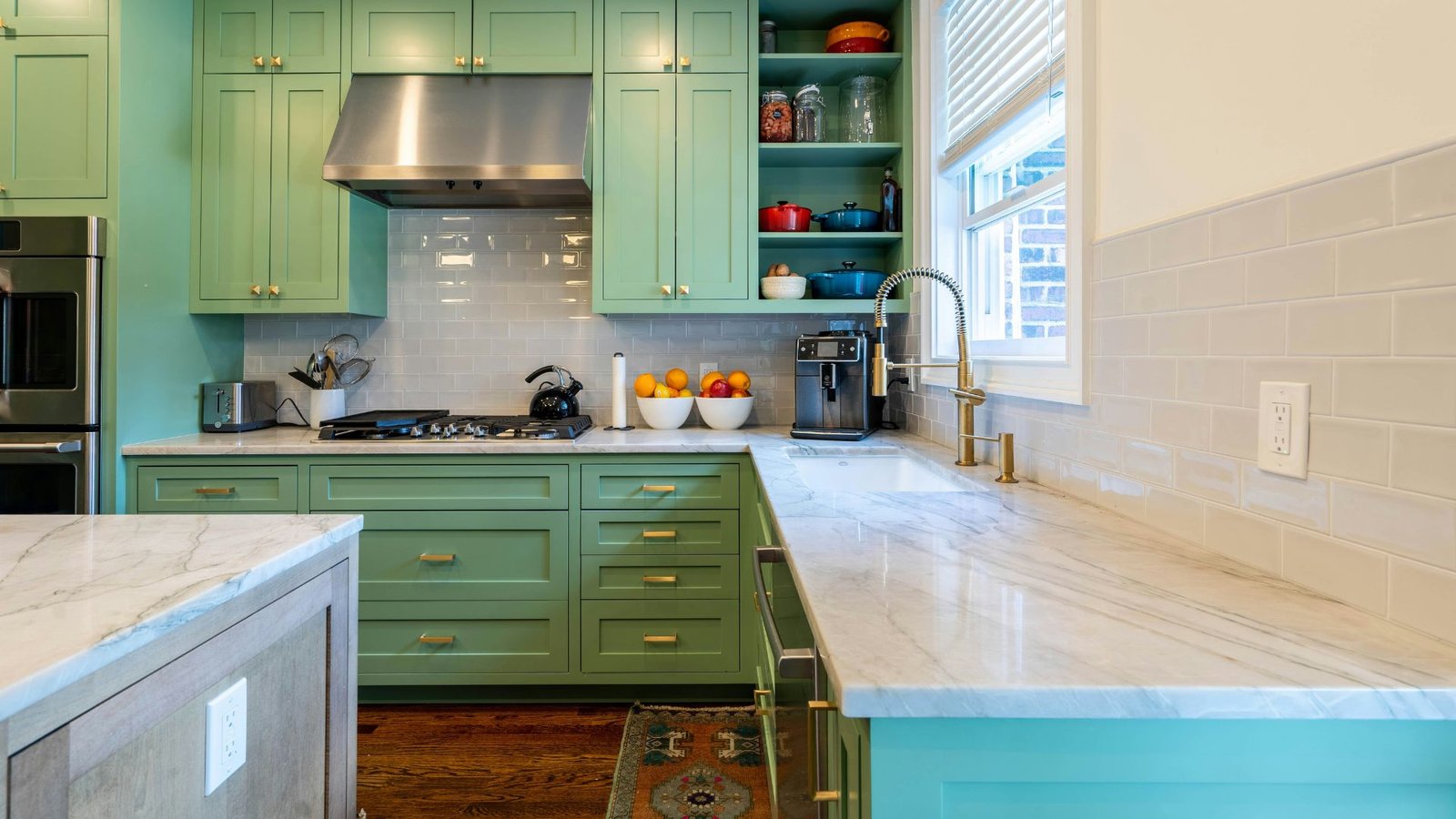
In most practical scenarios, yes, is quartzite better than marble or onyx for countertops comes down to durability and long-term performance, and quartzite often leads that conversation. It is tougher, more resistant to scratches, and generally holds up better in busy kitchens. That said, the answer is not absolute. Each stone brings its own strengths, and sometimes the “better” option depends on how the space is actually used.
There is also a design layer to this decision. Marble has that unmistakable softness and elegance. Onyx, on the other hand, feels almost artistic, sometimes even dramatic. Quartzite sits somewhere in between. Strong, yes, but still visually refined. Not always easy to choose.
This blog breaks down the differences so the decision feels a bit clearer.
Understanding Quartzite as a Countertop Material
Quartzite is often misunderstood. Many assume it behaves like engineered quartz, but it is a natural stone formed under intense heat and pressure. That process makes it incredibly dense.
And that density shows in daily use.
Key strengths of quartzite:
- High resistance to scratches
- Better tolerance to heat compared to marble
- Lower porosity than many softer stones
- Long-lasting surface with minimal wear over time
In real kitchens, especially busy ones, this matters more than people initially think. Spills, hot pans, daily cleaning, it all adds up.
Quartzite vs Marble: Where the Differences Show
The comparison between quartzite vs marble is probably the most common one, and for good reason. Both look elegant, sometimes even similar at first glance.
But the behavior is quite different.
Marble:
- Softer and more porous
- Prone to etching from acids like lemon or vinegar
- Develops a patina over time, which some people actually like
Quartzite:
- Harder and more durable
- Less likely to scratch or stain easily
- Maintains its original finish for longer
Here’s where it gets interesting. Marble ages in a visible way. It tells a story, so to speak. Quartzite, though, stays more consistent. For some, that consistency feels reassuring. For others, it might feel a bit too controlled.
Onyx vs Quartzite: A Very Different Conversation
Now, comparing onyx vs quartzite is almost like comparing art with utility.
Onyx is striking. Translucent, layered, often used as a statement piece rather than a work surface. It is not really built for heavy use.
Onyx characteristics:
- Soft and fragile compared to other stones
- Highly prone to scratches and stains
- Often used for decorative surfaces, not functional countertops
Quartzite, in contrast:
- Built for daily use
- Strong under pressure, literally
- More forgiving in kitchens and bathrooms
In most cases, using onyx as a primary countertop is not recommended unless the space is low-traffic or purely aesthetic. Quartzite feels more practical. Less delicate.
Which One Performs Better in Real Homes?
This is where the question, is quartzite better than marble or onyx for countertops, becomes more grounded.
Think about daily use:
- Cooking regularly? Quartzite handles it better
- Want a pristine look for years? Quartzite again
- Prefer a surface that ages with character? Marble might appeal more
There is no denying that quartzite offers a balance. It brings durability without completely sacrificing visual appeal. That balance is what makes it popular right now.
Durability Breakdown: A Quick Comparison
When choosing the best countertop material for durability, a simple comparison helps.
| Feature | Quartzite | Marble | Onyx |
| Hardness | High | Medium | Low |
| Scratch Resistance | Strong | Moderate | Weak |
| Heat Resistance | Excellent | Good | Limited |
| Maintenance Level | Low to Medium | Medium | High |
Looking at this, quartzite stands out. Not perfect, but definitely reliable.
A Few Practical Considerations Before Choosing
Before finalizing a stone, a few small but important checks help:
- Usage of the space: Heavy kitchen use or occasional? That changes everything.
- Maintenance comfort: Some people are okay with regular sealing. Others prefer low effort.
- Design preference: Marble has softness, onyx has drama, quartzite sits in a refined middle.
- Budget flexibility: Quartzite can vary widely in price depending on origin and quality.
Sometimes, decisions lean practical. Other times, they are purely aesthetic. Both are valid, honestly.
So, What Should You Choose?
There is no one-size answer, and that is the tricky part. Quartzite is often the safer, more durable choice. Marble offers timeless beauty, even if it needs more care. Onyx, well, it is more of a statement than a workhorse.
And yet, many projects still choose marble. Or even onyx. Not everything is about durability.
Conclusion
When it comes down to it, is quartzite better than marble or onyx for countertops depends on what matters more, performance or expression. Quartzite delivers strength, consistency, and ease of maintenance, making it a strong contender for most homes. Marble brings character that evolves over time, while onyx offers unmatched visual impact, though with limitations.
In most everyday settings, quartzite tends to strike the right balance. But the final choice often reflects personal preference as much as practicality.