
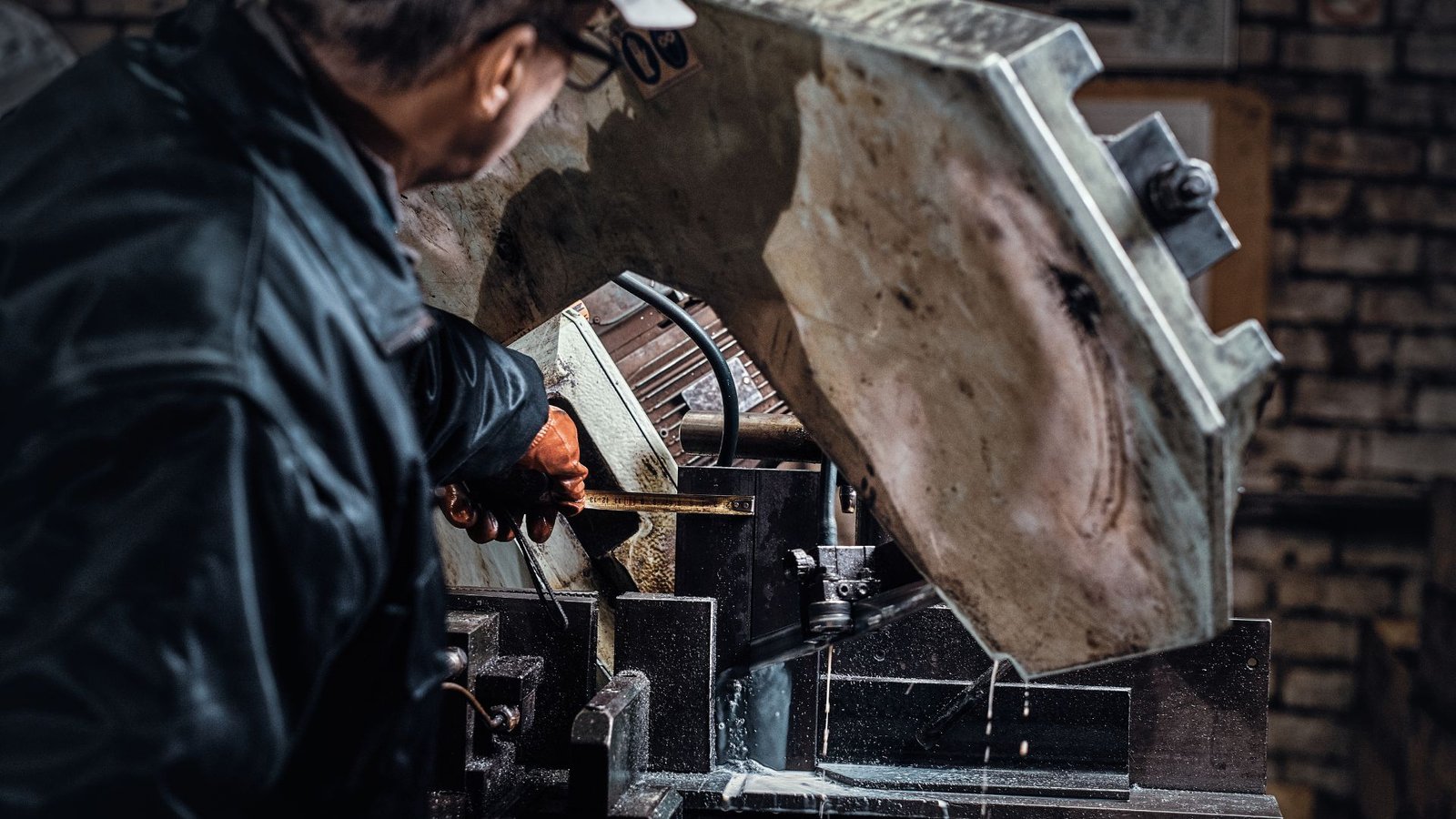
There’s something about natural stone Processing that still stops people mid-sentence. Maybe it’s the weight of it. Maybe it’s the way it doesn’t try to impress, yet somehow always does. Stone feels honest. Solid. Like it’s been around long before trends showed up.
But here’s the part that often gets missed. What you see installed in a space isn’t just pulled straight from the ground and placed there. A lot happens in between.
This blog takes a closer look at how modern processing shapes raw stone into refined surfaces, and why that journey matters more than most buyers realize.
From Quarry Blocks to Something Beautiful
A freshly quarried block has presence, no doubt. Rough edges. Uneven faces. A sense of raw potential. But potential alone doesn’t create premium results.
This is where the workshop steps in. Processing facilities are where stone starts to become usable, predictable, and refined. Cutting, calibration, and handling systems guide the material through controlled stages, each one shaping how it will perform later.
Even small inconsistencies at this stage can echo through the final product. Alignment issues. Uneven surfaces. Subtle weaknesses that only show up after installation. Advanced processing technology helps eliminate those risks early, while still respecting the stone’s natural character.
Why Precision Cutting Is Non-Negotiable
High-precision saws and CNC systems allow slabs and tiles to be cut to exact measurements, again and again, without guesswork. Clean cuts reduce internal stress and help prevent cracking during later stages. More importantly, they create a stable foundation for everything that follows.
Precision cutting also opens up design possibilities. Large slabs, thin formats, bookmatched panels, custom shapes. None of these works without tight control at the cutting stage. Designers rely on this accuracy to avoid constant adjustments on site, where mistakes are far more costly.
This is one of those steps that doesn’t get much attention, but without it, premium finishes simply don’t hold together.
How Surface Treatments Shape the Final Look
Once the stone is cut, the surface starts telling its story. Texture. Reflection. How does it feel in your hand? That’s where the real personality comes through.
Modern finishing lines use automated systems that control pressure, movement, and abrasion. These systems ensure consistency across large batches, whether the goal is a high-gloss surface or something more subdued. The result is a stone finish that looks intentional, not accidental.
Different outcomes require different approaches:
- Polished surfaces depend on gradual abrasion to bring out depth and clarity
- Honed surfaces rely on controlled pressure for a smooth, low-sheen look
- Textured surfaces use brushing or heat treatment to add grip and character
Each method is part of a carefully managed finishing process, designed to deliver predictable results without stripping away individuality.
Consistency Isn’t Boring. It’s Essential.
Large floors, wall cladding, hospitality spaces, and residential developments. These demand cohesion. Color alignment. Surface uniformity. Transitions that feel seamless instead of patched together.
This is where processing technology proves its value again. Automated systems monitor thickness and surface quality across entire batches, keeping variations within acceptable ranges. The stone still feels natural, but it no longer feels chaotic.
For architects and designers, this reliability matters. A hundred slabs need to behave like they belong together. Technology makes that possible without flattening the material’s character.
And yes, that balance is harder than it sounds.
Durability Is Part of the Finish Too
Premium finishes aren’t just about looks. They’re about how surfaces hold up when life happens. Advanced calibration reduces uneven stress across slabs. Controlled polishing limits micro-fractures that can weaken the surface over time. Proper surface treatment improves resistance to staining and moisture absorption, especially in high-use areas.
Many facilities now build quality checks into every stage of the finishing process: flatness, surface depth, and visual consistency. Issues are corrected before the stone ever reaches a site. That means fewer surprises later.
In real terms, this leads to surfaces that age more gracefully. Less corrective maintenance. Better long-term performance. A stone finish that still looks considered years down the line.
Design Freedom Comes from the Right Tools
Design today isn’t one-size-fits-all. Clients expect spaces that feel tailored, not templated. Stone processing allows for that flexibility. CNC equipment supports custom edges, integrated cut-outs, and detailed surface treatments that once required purely manual craftsmanship. Now, those details can be repeated accurately and efficiently.
This doesn’t remove creativity. It supports it. Designers gain freedom to explore bolder layouts or quieter refinements, knowing the material can keep up. Even natural stone can be shaped to suit contemporary minimalism or expressive architecture without compromising integrity. Technology doesn’t replace design intent. It enables it.
Machines Matter, But People Still Lead
Despite all the automation, stone processing isn’t just about machines doing the work alone. Experienced technicians guide every system. They decide pressure levels. Adjust speeds. Evaluate finishes by eye, not just numbers. Sensors can measure a lot, but they don’t replace judgment.
Natural materials resist uniformity. That’s part of their appeal. Skilled hands know when to correct and when to let the stone be itself. The best results come from this balance between precision and experience.
Technology provides control. People provide understanding.
Conclusion
Premium stone finishes don’t happen by chance. They’re shaped through careful planning, controlled processes, and an understanding of how material behaves over time.
From accurate cutting to refined surface treatments, from batch consistency to long-term durability, modern processing plays a defining role. It allows natural stone to meet today’s expectations without losing the character that made it desirable in the first place.
When a surface feels effortless, it’s usually because a lot of effort happened behind the scenes. And when processing, people, and purpose align, the result isn’t just a good finish. It’s a surface that lasts, performs, and quietly elevates the space around it.