
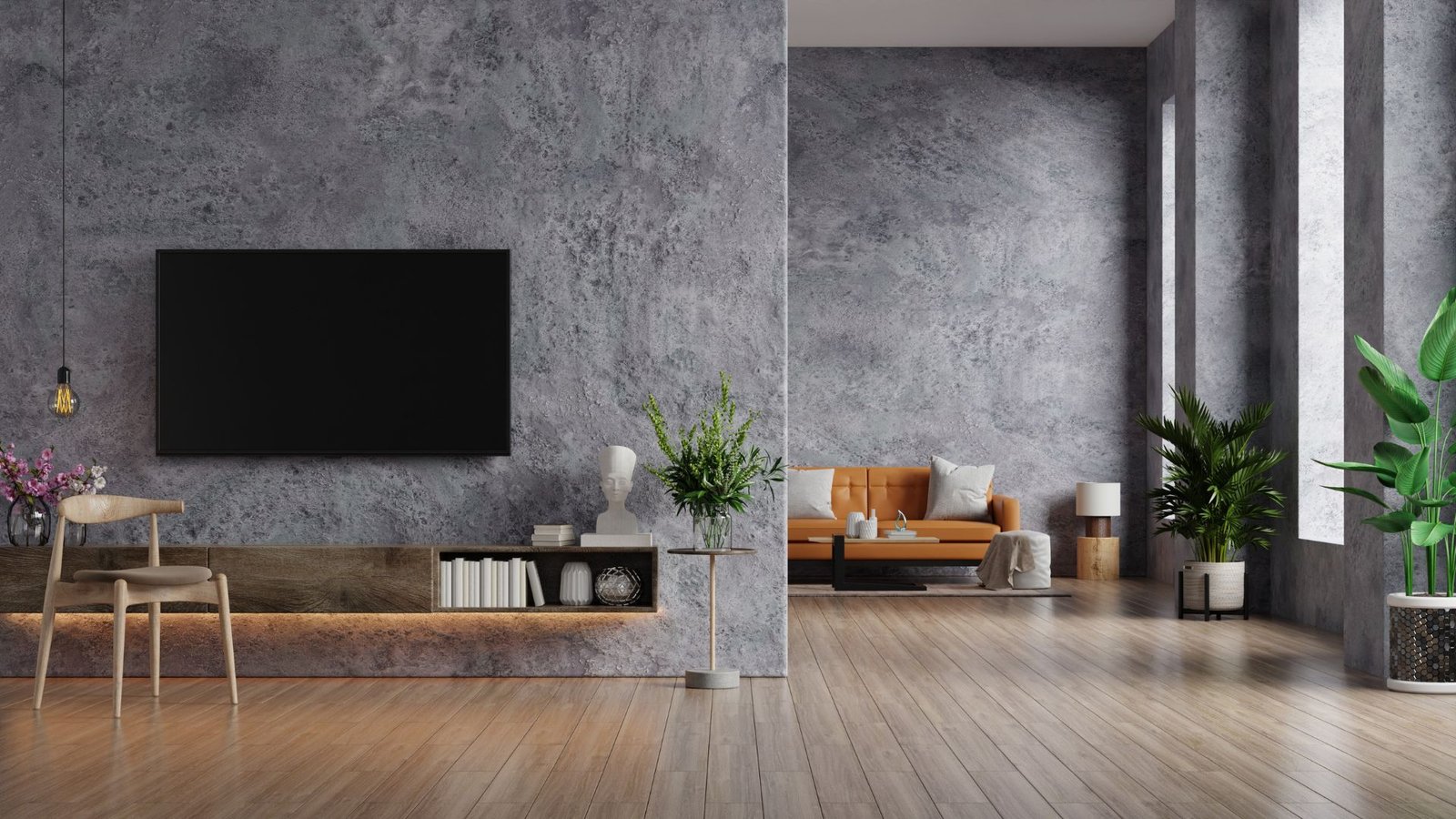
There are very few materials that feel as effortless in different design styles as silver travertine. It has a calm, silvery tone and a natural linear movement that designers appreciate, and even homeowners who are new to natural stone often find themselves drawn to it without fully knowing why.
Part of its charm comes from the way it behaves in a space. It blends rather than competes, yet still holds its presence. Some stones demand attention. This one simply belongs wherever it is placed. The rest of this blog will look at why it fits so well in both modern and rustic homes, along with a few practical insights that help each style come alive.
Why It Fits Modern Homes
Modern design usually leans on clean lines, neutral palettes and a sense of quiet sophistication. Silver travertine carries all of these qualities naturally. It has a gentle grain that never feels too busy, and the variation in tone is subtle enough to complement sleek materials like glass, steel, matte black fittings or even very light wood.
One reason it suits contemporary interiors is its ability to soften minimalism. Many modern spaces risk looking too flat or too cold, especially when everything is polished or perfectly smooth. Travertine provides texture without overwhelming the room. It is a natural counterbalance that warms up sharp geometry and brings a bit of depth to the space.
Another practical aspect is how consistent the stone appears in large-format layouts. Designers who work with open plans often want flooring that flows visually from one zone to another without demanding attention at every step. Travertine is ideal for this because its tone holds steady and the visual movement runs in one direction.
You also see it used quite frequently in modern outdoor settings like terraces, pool decks and garden pathways. It reflects heat well, it wears in beautifully, and its cool touch underfoot makes it perfect for warm climates. Even when honed or brushed, it brings refinement to an otherwise contemporary exterior.
Why It Fits Rustic Homes
Rustic homes rely on organic textures and materials that feel lived in. Travertine is naturally porous and layered, so it already carries the weathered look that rustic interiors lean toward. The stone has slight variations that feel raw and authentic. It pairs effortlessly with warm-toned woods, exposed beams, distressed furniture and handwoven textiles.
Designers often mention that rustic homes benefit from materials that improve with age. Travertine does exactly that. Small surface shifts, softening edges or subtle sheen changes over time only enrich its character. Unlike hyper-polished materials that must look perfect to remain beautiful, travertine welcomes change. It looks even better the longer you live with it.
Another reason it works well in rustic environments is its connection to nature. The stone feels grounded, almost like it still belongs to the earth. When used in fireplaces, courtyards, porches or country-style kitchens, it contributes both warmth and durability.
Rustic bathrooms also benefit from its texture. A honed finish on floors reduces slipperiness, and the stone visually suits bronze taps, ceramic basins or wooden vanities. It creates that spa-like charm without looking forced or overly curated.
A Versatile Material in Practice
Beyond design styles, there are several practical reasons why this stone fits into so many homes. Architects appreciate flexibility because it allows them to maintain a consistent material palette without worrying whether it conflicts with the overall theme.
A few examples include:
- Flooring for open-plan homes where style boundaries blur
- Accent walls that introduce texture without stealing attention
- Outdoor pathways that need durability and visual continuity
- Bathroom walls that need softness instead of starkness
- Staircases that benefit from a material that ages gracefully
In each of these uses, the stone adapts to its surroundings quietly. A polished marble might feel too formal in a rustic home, while darker stones sometimes feel too heavy for modern interiors. This is where travertine finds its niche. It carries neutrality but not plainness.
Another detail to note is that the stone can be used filled or unfilled. Filled variants suit modern homes because the surface feels smoother and cleaner. Unfilled versions, with their open pores, suit rustic spaces because they look more natural. The choice of finish alone can shift the mood of the entire installation.
Maintenance is also approachable. Like any natural stone, it benefits from sealing and occasional upkeep. Yet it is not a material that demands daily worry. Homeowners who have lived with it for years often say the same thing, that the stone becomes better with age rather than worse.
How Designers Combine Styles Using Travertine
There is an interesting trend in architecture today where homes no longer stick strictly to one style. Many clients ask for modern spaces with pockets of warmth or rustic spaces with cleaner forms. Travertine is one of the rare materials that helps bridge this gap.
For example:
- A modern living room with straight-lined furniture, softened by a travertine feature wall.
- A rustic bedroom with wooden beams, balanced by sleek travertine flooring to prevent the room from feeling heavy.
- A contemporary courtyard where brushed travertine tiles blend both nature and minimalism.
- A kitchen with stainless steel appliances softened by a travertine backsplash.
These combinations work because the stone is honest in appearance. It never tries to imitate something else. It is simply natural, and that authenticity fits both modern restraint and rustic freedom.
Travertine also handles natural light beautifully. Morning sunlight brings out its soft tones, while evening shadows highlight the linear veining. This makes it ideal for homes that rely on natural illumination to create mood.
Conclusion
Silver travertine has earned its place in both modern and rustic homes because it adapts without losing character. It lives comfortably alongside sleek metal, concrete and glass, yet it blends just as easily with wood, earth tones and handmade textures. Few materials transition so seamlessly from minimal to rugged, from urban to countryside.
Its gentle movement, natural grounding and ability to age with grace are what make it a long-term choice rather than a passing design trend. While every home has its own personality, this stone manages to complement them all with quiet confidence. And for anyone planning a space that should feel timeless rather than temporary, it remains one of the most dependable options available today.